The antagonist. The villain. The BBEG. If there are any characters in your D&D 5e campaign who come close to the player characters in importance, it’s the villains the heroic (for a given value of ‘heroic’) party go up against.
A D&D 5e DM’s villain kicks the story into gear, provides something for the party to overcome, and gives the DM time to show off that evil laugh they’ve been practising. They’re important to get right. A memorable villain, whether sympathetic or loathsome, elevates a story significantly.
There are many beloved villains throughout D&D history, ranging from Vecna the Archlich to the Demon Lord Orcus to the regrettably sexy vampire Strahd von Zarovich. Whether running one of D&D 5e‘s pre-existing villains or inventing their own cackling megalomaniac, DMs should avoid certain tendencies that make players go from enjoyably hating the BBEG to actually wishing they weren’t in the game.
Cheat to Make the BBEG Survive
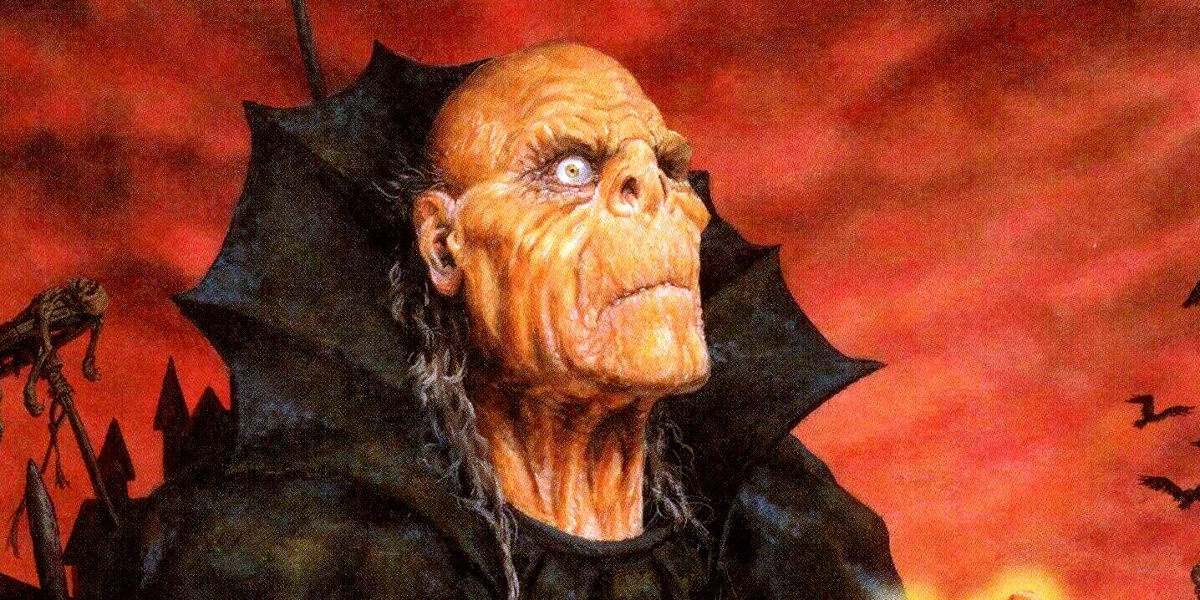
In many D&D 5e campaigns, the villain will show in the flesh a handful of times throughout the campaign. Given the temperament and judgment of the average D&D party, this will usually spark violence within minutes.
In many cases, a villain is powerful enough to hold their own in a fight with the party. Sometimes, however, things go against them. The players Counterspell an escape option. A series of lucky crits decimate the villain’s hit points. You forget that Stunning Strike exists and the D&D 5e Monk does its one thing well.
If that is the case, play fair. Don’t suddenly add fifty hit points to their total. Don’t conveniently have them roll 20s on their final vital saving throws. Definitely don’t reveal it was totally a Simulacrum all along, mwa ha ha.
Players will be able to tell, given they have eyes and the ability to empathise. If they can tell, they know that their actions suddenly matter less and that they can’t win a victory in their D&D 5e game until the DM survives. This will make them disconnect and probably see the villain plummet in their eyes.
Your D&D 5e campaign can probably survive the death of your villain. It might take the wind out of your sails. You might need to take a week off to plan. But there are other characters, other threats, maybe a greater evil lurking in the background. Reward your players. Let the plot reflect their heroic deeds.
Absolutely feel free to tip the odds in your villain’s favour in fights. Contingency spells, escape options, henchmen, and even the Simulacrum all along (mwa ha ha) can work for a D&D 5e villain if you actually prepare them in advance. Particularly if you hint at it beforehand, the difference between that and you scrambling to save your storyline are night and day.
To avoid the temptation of cheating to have their pet villain survive, many D&D 5e DMs might simply have them avoid combat with the party.
Well, about that…
Have Your Villain Sit Around Doing Nothing
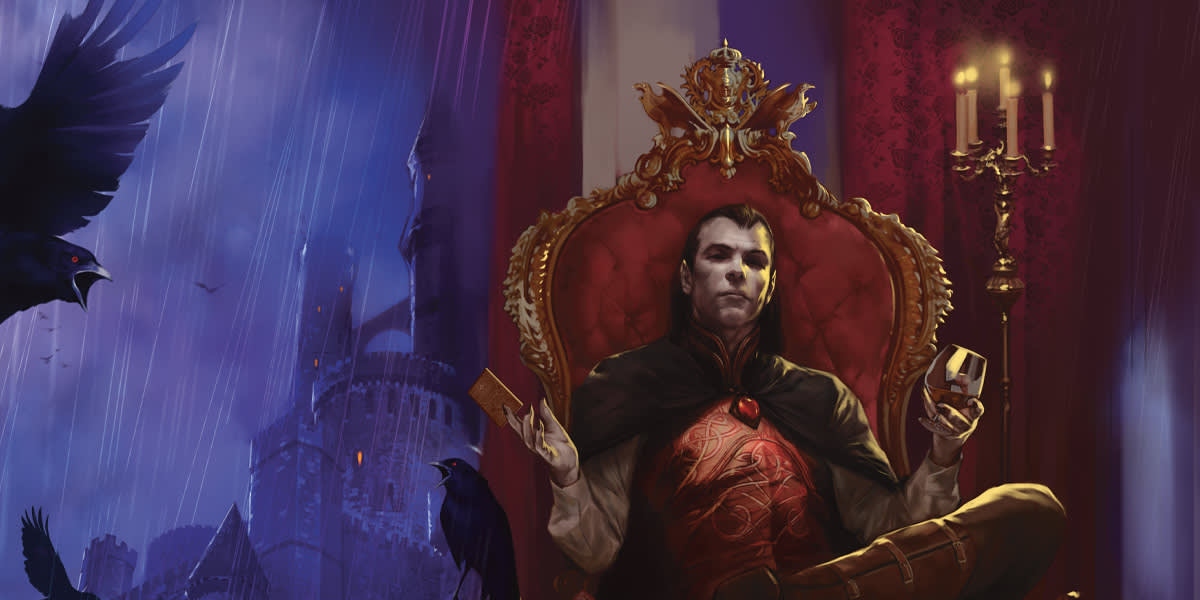
Villains are villainous. Not because this is some cosmic law, but because doing bad things is what actually makes someone a villain.
Whether your D&D 5e BBEG wants to destroy the world, rule the world, become a god, or evade their taxes, they have to actually do bad things for the players to want to defeat them. They cannot sit in a dark room and rub their hands evilly all the time.
Dungeons & Dragons is actually the Trope Namer in this regard. ‘Orcus on His Throne‘ refers to the books’ unwillingness to have many villains do things, leaving room for DMs to invent their own storylines. Spoiler alert: Part of the reason Vecna is such a well-loved D&D villain is because he does things literally all the time.
Your players should also see some of these things, or at least their after-effects. It can work well for the flow of a D&D 5e campaign if the players hear about the villain sacking cities on the other side of the continent, or sending agents to hunt for the Artifact of Doom. However, it’s far more memorable – and makes the villain far more hateable – if the player characters get to see or fight against these villainous deeds themselves.
If you offer your players nothing but vague warnings that the villain of your D&D 5e campaign is totally a jerk, they’ll quickly run out of steam when it comes to fighting them. Give them something to actively rail against.
Overdo the Provocations
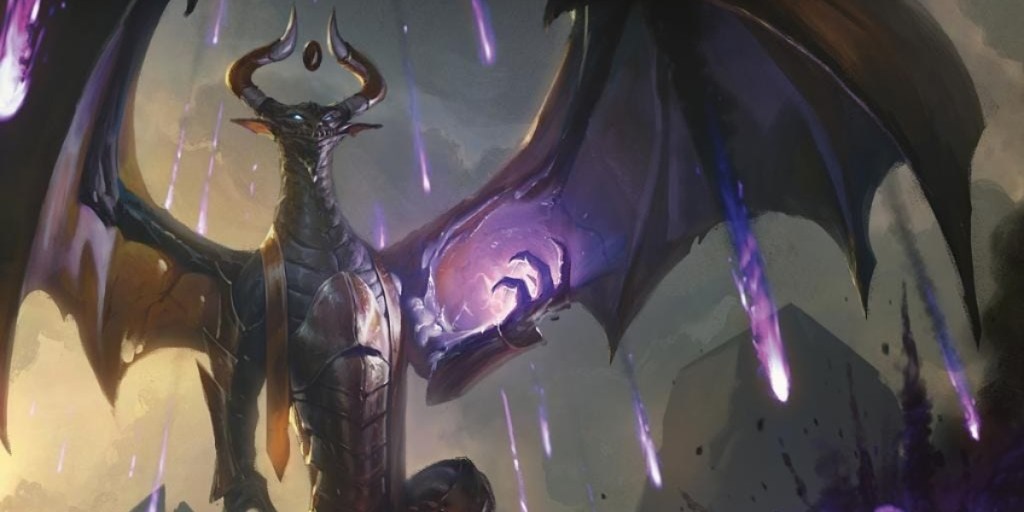
There is a flipside, however. As with all D&D 5e DMing tips, you shouldn’t overdo this. The villain should absolutely provoke your players’ characters into action. At the same time, they shouldn’t be a constant and unbearable presence.
If the villain shows up every session to do some villainy (and there should be a lot of villainy), it quickly loses any surprise value or emotional impact it has.
It’s not just about repetition, however. You should be careful with how severely your villain ruins the player character’s lives. If they appear infrequently, but always slaughter half of the party (and some beloved NPCs to boot), your players will probably wonder why they’re even bothering.
This can be a hard balance to strike. Many D&D 5e DMs will have to figure out what works for them and their table, and may well get it wrong. A villain who does too much is probably better than one who does too little. Read your party and try to tell when a villain is going from “I hate them and want to defeat them,” to “I hate them and want to be playing a different campaign.”
Think of it this way. Star Wars‘ beloved Darth Vader is at his best when he’s slaughtering dozens of rebel redshirts or freezing one Han Solo in carbonite. The trilogy wouldn’t be nearly as good if he burst through the wall and murdered a few main characters every half hour.
Refuse to Offer Minor Victories Along the Way
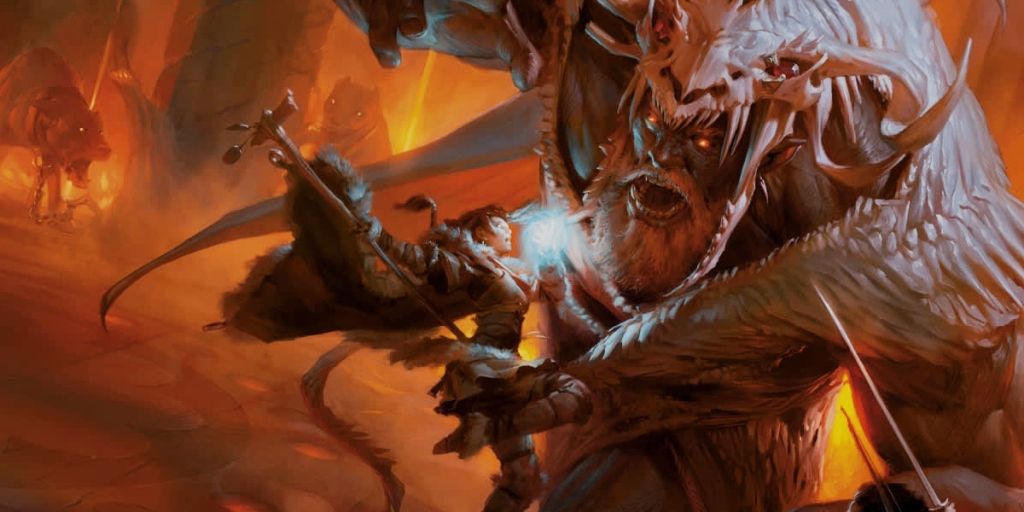
Many stories come down to a climactic confrontation between the heroes and the villain. Many D&D 5e campaigns follow a similar route, offering a final chance to defeat the villain in an epic battle toward the end.
This shouldn’t be the only chance the player characters have to score a victory. Outside of shock success (read the first entry), they probably shouldn’t butcher a D&D 5e villain the first time they meet them. However, they should have a chance to win along the way.
A good villain for a D&D 5e campaign has lieutenants, MacGuffins, and many complex schemes. These are all prime opportunities for the party to swoop in, interfere in their plans, and swoop out again before they have to face the inevitable consequences.
Make sure there are high-ranking henchmen the player can kill. Create minor parts of the villain’s plot they can foil without derailing your entire D&D 5e campaign. Present MacGuffins the villain would like to own, but doesn’t necessarily have to, so players can play keep-away for half the campaign.
If your D&D 5e players can never do anything to thwart the villain (particularly if it looks like they succeed and then the villain reveals it was All According to Plan), it has a similar effect to overdoing the provocations. They wonder if they’re cut out for this and why Elminster can’t just save the day instead.
Like with all D&D 5e DMing tips, play this in moderation. If your PCs do nothing but win a string of victories, your villain is going to spend the entire campaign with egg on their face. Don’t plan out villain victories ahead of time (or, if you do, give ample opportunity for the players to sway events), but don’t be afraid to stack the deck in their favor from time to time.
Tie Every Plot Thread to the BBEG
Obviously, many DMs have a grand vision of their D&D 5e campaigns and how everything in them ties together. They want to lay a complex web of hints and plotlines that build up to their perfect, evil villain.
This is all well and good. But please, for your players’ sake, take a break occasionally.
Given the average length of a D&D 5e session and the average memory span of a D&D player, it’s an obvious worry that the storyline will flounder or run out of steam if you give something unrelated for an adventure. But it’s well worth it in the long run.
If every single threat, adventure, and plot thread in your D&D 5e campaign ties back to the current or overarching villain, it will begin to feel ridiculous. Worse, it will start to feel monotonous.
Even Curse of Strahd, the premade D&D 5e campaign most tied with its villain, takes a break occasionally. Antagonists like Izek Strazni have tangential at-best connections with the iconic Strahd von Zarovich.
Do the same, your players will appreciate it.
These have been five D&D 5e DM behaviours that will make players grow tired of your BBEG’s villainy long before they’re in a position to defeat them. Are there any DMing villain pitfalls you’ve stumbled into before?
For more advice on DMing memorable and non-tiresome villains, check out ‘Four D&D 5e Villain Motivations That Aren’t Conquering the World Just Because.’
If you’re a D&D 5e player scrabbling for an edge against your DM’s well-built villain, ‘D&D 5e: Five Tank Subclasses To Protect Your Party‘ might be able to help.
If you’ve enjoyed this article, please leave a like and check out the others available on Artificial Twenty. If you know other DMs who might be interested, please share it with them!
 Artificial Twenty