Baldur’s Gate 3 released more than half a year ago, after three years of Early Access. However, it doesn’t seem to be going anywhere in the public consciousness.
The game remains one of the most popular non-PvP titles on Steam, with a thriving online community. It’s also had an impact on Dungeons & Dragons, encouraging many players to test out the game.
Aside from its beloved characters and satisfying D&D 5e gameplay, Baldur’s Gate 3 works because it’s an example of a genuinely good campaign. Most players would be thrilled to play in a campaign with half its originality and charm.
Nobody has to rip Baldur’s Gate 3 off to run a good D&D 5e campaign. However, it does give examples of some things that can elevate almost any game. Some of its bigger divergences, like entirely new mechanics, are beyond most DMs’ skillset. Its successes – and occasional missteps – can still provide effective guidance for D&D 5e groups.
Note: This article provides spoilers for Baldur’s Gate 3. If you’ve somehow avoided playing the game or seeing its endless memes, please read with caution.
Create Memorable, Larger-Than-Life Moments
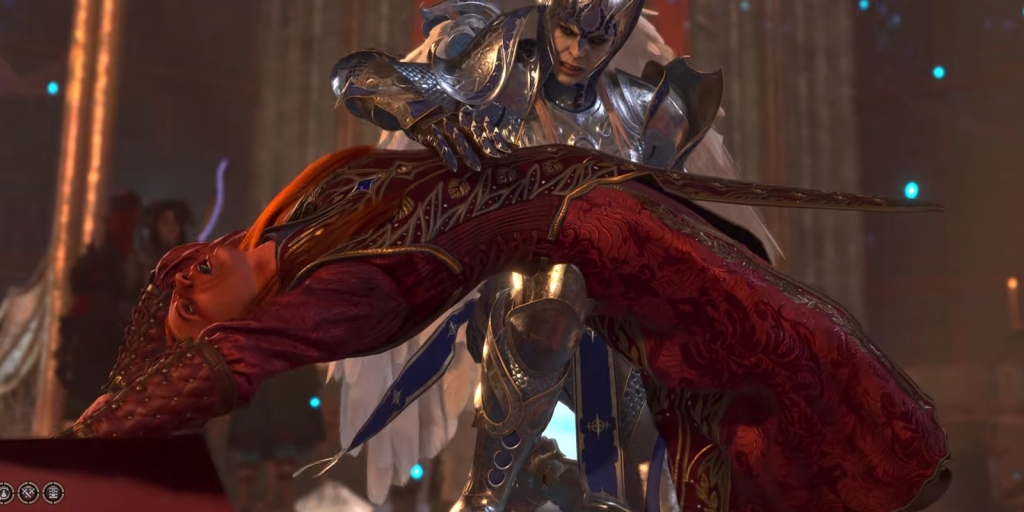
D&D 5e isn’t a particularly realistic game to begin with. Something about dragons and magic precludes it from taking place in our boring world. However, it’s an easy temptation to keep the game as grounded and true-to-life as possible.
Baldur’s Gate 3 takes the furthest possible approach from this. Almost everything in the game is exaggerated and over-the-top.
The goblins are a raucous, marauding army who veer between vicious torture and comical drunken arguments about anything and everything. Volo doesn’t gently prick Tav’s eye with a needle, he hacks through it with an ice pick.
Baldur’s Gate 3‘s Nightsong is an Aasimar demigod freed from the Shadowfell who gives epic pronouncements about her ability to break villains over her knee and leads the charge against Kethetic Thorm. Raphael challenges the player in the Nine Hells themselves, complete with his own self-sung villain song.
These are all things that more hesitant D&D 5e DMs might shy away from for fear of coming off as comical or forced. They’re also some of Baldur’s Gate 3‘s best moments. Not one of them could be called forgettable or boring.
Obviously, there is a place for grounded and dark D&D 5e campaigns. Even Baldur’s Gate 3 has more down-to-earth characters like Jaheira. However, the game gives a clear way to make memorable and beloved moments: go absolutely ham with them.
Flirt With Various Genres
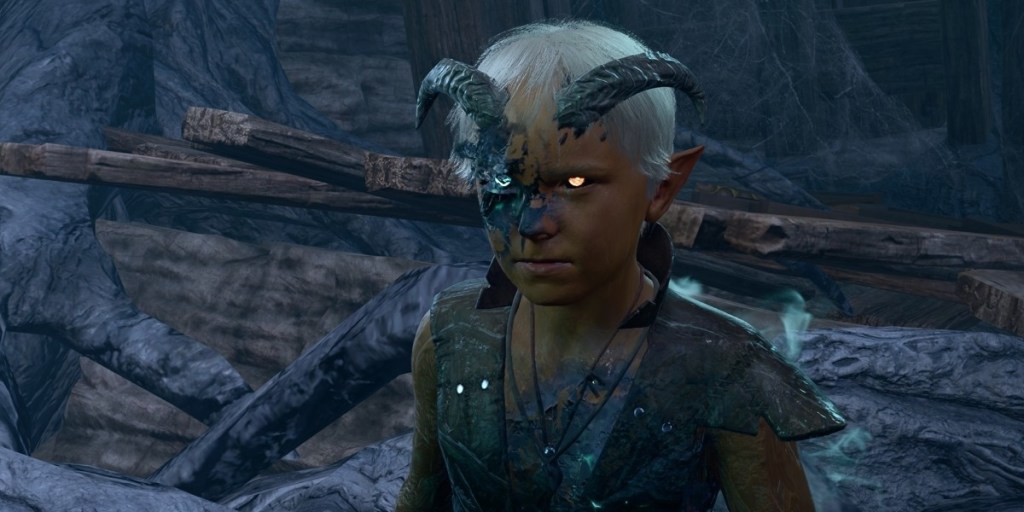
Overall, Baldur’s Gate 3 occupies the heroic fantasy genre D&D 5e is well-known for. A small band of heroes (or otherwise) attempt to cure themselves of an affliction, getting caught up in escalating regional conflicts along the way.
However, Baldur’s Gate 3‘s story goes places with its genre well beyond the bounds of heroic fantasy. This isn’t even including its frequent lapses into comedy or tragedy for individual scenes or lines of dialogue.
Act 2 in Baldur’s Gate 3 infamously takes a turn to dark fantasy as the party try to survive in the nightmarish Shadow-Cursed Lands. Areas like Reithwin Town go even further into outright horror. Looking at you, Malus Thorm.
Each act in Baldur’s Gate 3 has a moment where it steps back from the party-scale combat of D&D 5e and lets players helm a war sequence (Act 1’s is significantly more optional, but well worth trying out).
Act 3 flits between sword-and-sorcery skulduggery as the Chosen of the Dead Three (well, two) attempt to wield the party against each other, and D&D 5e epic fantasy as everyone fights to stop the Illithid Empire resurrecting itself.
This stops Baldur’s Gate 3 from ever becoming monotonous or predictable. The frequent excursions into genres beyond straightforward heroic fantasy keep players guessing what they’ll find next.
If you’re the average D&D 5e DM, your head’s full of weird thoughts outside the bounds of a typical game anyway.
Include Optional Content If You Have Time to Create It
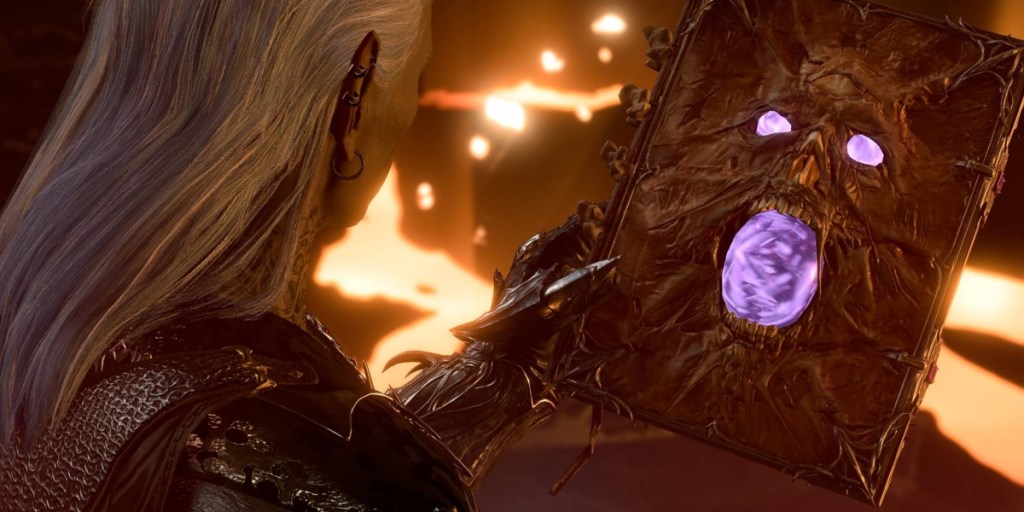
A big difference between game developers and DMs is that game developers get paid. Few people are lucky enough to get money for running D&D 5e. Even when I do it at my local game store, my payment is free food.
Few DMs have the time or resources to plan out their entire campaign’s content ahead of time unless they’re running a premade D&D 5e campaign like Phandelver and Below: The Shattered Obelisk.
Furthermore, the adaptable and improvised nature of D&D 5e discourages this. DMs typically want the campaign to reflect the party’s choices, with content shifting to match.
Nonetheless, Baldur’s Gate 3 shows the value of planning content for your D&D 5e campaign that players might never stumble across. Obviously, all content in a game is optional, as players might ignore it or simply stop playing with you.
However, having something off the beaten track, somewhere your D&D 5e party would have to choose to explore, can make a fun surprise for them and reward them for treating your world as more than a set of rails.
Take the infamous Kuo-Toa outpost in Baldur’s Gate 3 that some players have never come across after months. It’s an absolute treat that delights players who stumble across it.
Alternatively, think about the loot in Lorroakan’s tower that requires players to brave a gauntlet of traps. Many people, myself included, simply walked away after destroying that smug wizard and never found it. It’s a reward for Baldur’s Gate 3 players willing to press on.
Obviously, some DMs might worry about wasting their time creating content their D&D 5e players are likely to overlook. They already spend a lot of time on this hobby for things that their players are definitely going to see.
This is a real concern, especially for people with limited free time. However, the act of creating itself can be fun. Furthermore, canny D&D 5e DMs can recycle this content and reuse it elsewhere if their players don’t find it. It’s a neat trick, even if it’s not to every DM’s taste.
Give Your Villains Time to Breathe
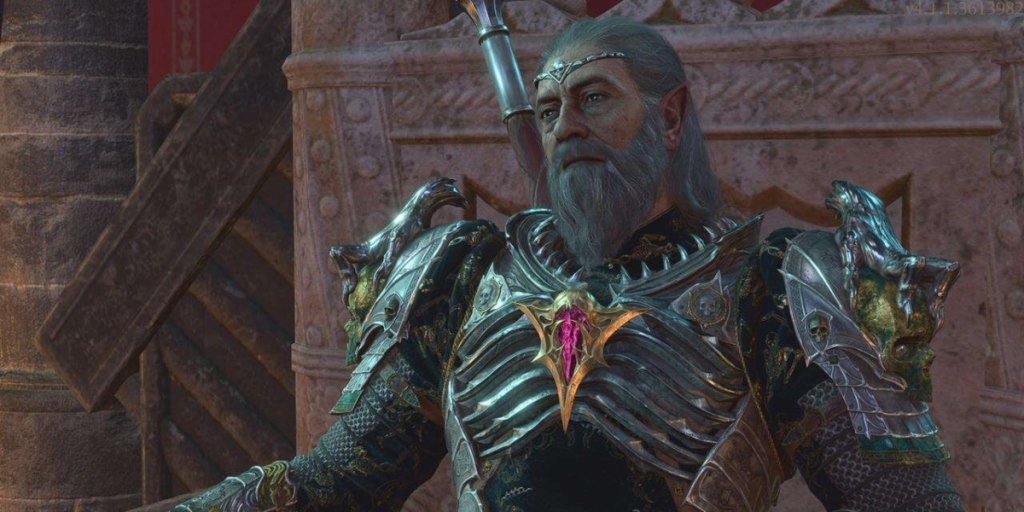
Villains and antagonists are an important part of any D&D 5e campaign. Baldur’s Gate 3 is clearly aware of this information, seeing as it includes dozens of them.
However, not all Baldur’s Gate 3 villains are made equal. Fans love some far more than others, and this is because of some rare missteps in Baldur’s Gate 3 Act 3.
Act 2 of Baldur’s Gate 3 is effectively Ketheric Thorm: The Musical. Players learn more about the villain almost everywhere they go in the Shadow-Cursed Lands. They learn of his past, hear about him from former enemies, or even meet the man himself in Moonrise Towers.
There’s plenty of time spent setting up Ketheric Thorm. As a result, even his brief screentime (maybe fifteen minutes total) feels impressive and his terrifying feats well-earned.
Baldur’s Gate 3 Act 3 attempts to split its focus between Enver Gortash’s (handsome, younger) political machinations and Orin’s betrayal plot.
On top of this, Baldur’s Gate 3 also includes a late-game curveball in the Netherbrain. And brings Raphael’s plan to fruition. And includes personal villains like Cazador Szarr. And a few old-school Baldur’s Gate cameos. And a serial-killing dwarf you chase around the Lower City. And a bloke with a load of ghouls.
It’s a common complaint that too much is happening in Baldur’s Gate 3‘s Lower City, and nowhere does this show than in the many villains. As a result, players don’t get to respect or fear any of them as well as Ketheric Thorm.
Orin and Gortash have their fans in Baldur’s Gate 3. They also have lots of people joking about their incompetence, Orin’s body odor, and Gortash’s handsome, younger appearance.
Fans largely agree that Ketheric Thorm and Raphael are Baldur’s Gate 3‘s best villains. D&D 5e DMs can learn a lot from this, mainly that villains need set-up and time to stand alone. They can’t be part of a villainous soup without losing some of their lustre.
If you have a big villain in your D&D 5e campaign, give them some time to shine.
Create Some Varied Combats
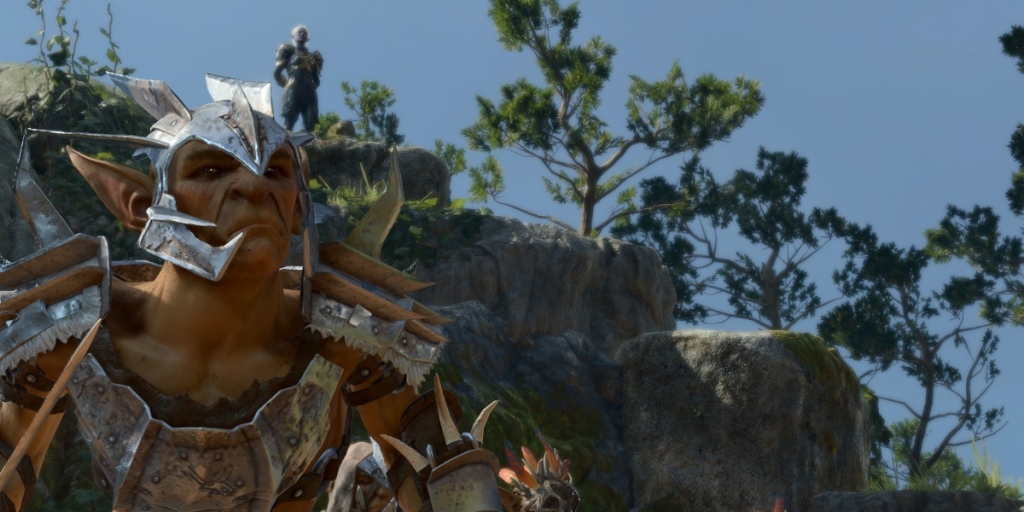
As a D&D 5e video game, Baldur’s Gate 3 is a little combat-heavy. Even the more sociable and law-abiding Lower City is chock-a-block with violence, murder, and other things that are fun for all involved.
Aside from presenting D&D 5e‘s combat at its most tactical, entertaining, and fast-paced, Baldur’s Gate 3 prevents the constant slaughter from becoming dull through its variety.
This takes many forms. In many cases, Larian went to the effort of creating assets for enemies you only see once. The cursed Kuo-Toa are a one-off enemy, as is the Bulette in the Underdark.
As a DM, you don’t even need to code or artistically render these enemies, just read a section in the Monster Manual. Lucky you.
However, it’s not just enemy variety that makes Baldur’s Gate 3 combat so great. The fights themselves play with terrain, mechanics, unique circumstances, and more to keep things fresh.
Allies. Defensible terrain. Ambushes. Enemies that drag you into the Shadow Curse. NPCs that need protecting. Enemies who can only be killed when certain conditions are met. Enormous hammers that crush everything in a lava-filled arena.
Baldur’s Gate 3 combat uses all these and more to delight players and make Honor Mode fans miserable.
If your D&D 5e combats ever feel stale, you can always look to Baldur’s Gate 3 for inspiration on freshening things up.
These have been five ways DMs can use Baldur’s Gate 3 to improve their campaigns without needing to attach a CPU and graphical interface to their bodies.
If you need more help creating moments your D&D 5e players won’t shut up about, try ‘D&D 5e: Five Tips For Creating Memorable Moments As A Dungeon Master‘.
If you want to know about the perils of inspiration in D&D character creation, ‘Five Pitfalls of Recreating Your Favourite Characters in D&D 5e‘ might be for you.
Please do like this article and read more Artificial Twenty content if you’ve enjoyed this. Share it around with your fellow DMs, see what they think! Thanks very much.
 Artificial Twenty