The most important part of the narrative for any Dungeons & Dragons Fifth Edition character is the things that happen in the sessions themselves. The frontstory, you might call it if you want that phrase to never catch on.
Nonetheless, many D&D 5e players go out of their way to give their character an elaborate backstory. This helps ground the character in the world, gives the player something to base their roleplay on, and is a fun creative exercise in its own right.
Nonetheless, it’s easy to miss the mark with a D&D backstory and create something that falls short of the player’s expectations, frustrates the Dungeon Master, or even both.
Fortunately, it’s just as easy to create something that everyone can enjoy, particularly with a few straightforward tips for the perfect D&D character backstory.
Don’t Go Overboard on Your D&D Character Backstory
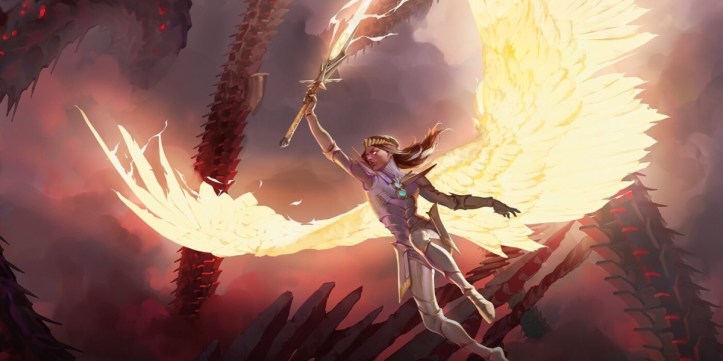
Let’s start with the most common reason D&D backstories misfire. Players become too enamoured with their new character and write an Odyssey-esque epic detailing their past life.
Most D&D campaigns start before fifth level. Your character is a little tougher, stronger, or more magical than the average dirt-farmer of your average setting. They are not, however, a fully-formed adventurer with decades of action under their belt.
It’s just flat-out weird for the legendary knight who has slain dragons, played chess with gods, and romanced eight different princes and princesses to come into the game as a third-level Fighter. Furthermore, your DM will roll their eyes significantly, as will most other people at the table.
Also another tip, pretty much every “I used to be a higher-level character but now I’m weaker” trope is reasonably well played-out. It can work, but it will feel like a plaster over a self-indulgent backstory if not done well.
On a similar note, try not to give your DM too much of your D&D character backstory. Don’t go overboard in length. A couple of pages is usually more than enough. Feel free to write chapter after chapter, but accept that it will be for your benefit first and foremost.
You’re not playing D&D 5e to write the novel about what your character did beforehand. You’re playing the game to find out what happens to them in the present. A D&D character backstory is important and useful, but it still pales compared to everything else.
Give the DM Something to Work With

That said, if you’re writing a D&D character backstory, make it something the DM can use. You want to avoid a seventy-page epic where your character kills god. At the same time, many DMs appreciate a backstory with things they can use.
Put story hooks, interesting ideas, and unanswered questions into your D&D character backstory. If it’s a couple of pages that end with everything wrapped up neatly, what’s the point of it at your D&D game?
Plot hooks provide an easy way for the DM to integrate your character’s past into the campaign, ideally in some way that helps with their arc or character development.
Murdered relatives are the cliche D&D character backstory hook, and they still work very well. However, there is a wide world of ways you can let the DM entertain or hurt you with your character’s background.
Maybe your character has a missing mentor. Perhaps they have a lifelong dream that’s just out of their grasp. A fortune-teller might have told them something very vague that they’re obsessed with learning more about.
The DM has a lot on their plate when coming up with fun content for the campaign. Your D&D character backstory can make things easier by making it easy to hook you into events.
Make Sure it Works with the Wider Campaign
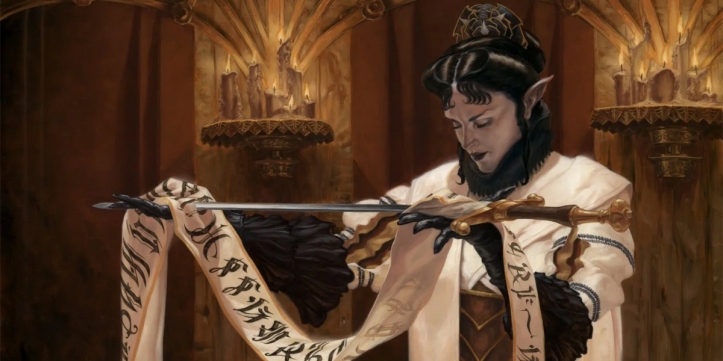
Another common reason D&D backstories fail is because they’re simply incompatible with the campaign as a whole. D&D 5e is a collaborative game. This is equally true during character creation as it is anywhere else.
You don’t necessarily need your DM to vet and approve every inch of your character’s backstory in D&D. At the same time, it’s worth keeping them in the loop to make sure it’s not going to run smack into a brick wall.
One of the most obvious ways to do this is to make sure that your character’s D&D backstory actually fits in the campaign setting. If there are no Wizard academies and arcane magic is heavily distrusted, your character coming from not-Hogwarts is going to cause a palaver later.
This can apply to any number of things. You might want to check the setting’s cosmology, laws, geography, and more before finalising your D&D backstory. Most DMs are flexible and willing to work with players on things like this. However, there are some lines in the sand.
You can further ground your backstory if you actively lean into the setting. Ask your DM about countries, factions, and lore in their world and ask if you can fit your character in there somehow. It’s all but guaranteed to make a D&D character background that fits, feels authentic, and comes up in gameplay.
In another sense, check what sort of character backstories this D&D campaign will allow for. Many premade campaigns have limited space for extra story hooks (with some, like Curse of Strahd, removing characters from their homes entirely).
If the campaign is very plot-driven or intentionally divorced from the characters’ day-to-day life, you might want to gear your backstory more to character motivations than something you expect to be front-and-centre. In a more sandbox or player-driven campaign, however, the reverse can be true.
As with all things in the game, be flexible with your D&D character backstory and work with the DM. There’s often more wiggle room than you might expect.
Draw Inspiration from Anywhere

As I’m fond of saying on this blog, nothing is really all that original. All artists and creatives borrow, lift, or outright steal ideas from other works they read. And a lot of those people are successful, so there’s no reason not to follow their lead.
Almost anything can inspire the best D&D character backstories. Film, TV, and video games are common choices. But you can also lean into real life or real history.
“What if [insert character here] was in [insert situation here]?” is a classic inspiration for D&D backstories, one that can lead to many excellent places.
Maybe you like a character and want to recreate them in D&D 5e (although do beware some pitfalls). Maybe there’s a specific aspect of a historical figure that speaks to you that you’d like to explore in your own game.
Don’t feel like you have to come up with the elements of your D&D character backstory on your own. Engage with fiction, history, and more and you’ll find plenty of things to draw from.
I will say, do try and put your own spin on things. Copying a character’s backstory word-for-word isn’t very creative and might not fly with certain DMs.
Instead, use the inspiration all around as a starting point. Embellish, add your own details, combine it with other things, shift some things around, change one crucial point. Do whatever you can to make your D&D character backstory your own.
My current D&D 5e character’s background takes significant elements from Gideon the Ninth, combines them with a character from The Belgariad (I read it before the skeletons fell out of Eddings’ closet), and adds heavy collaborative elements with another player.
Avoid Planning Too Far Ahead
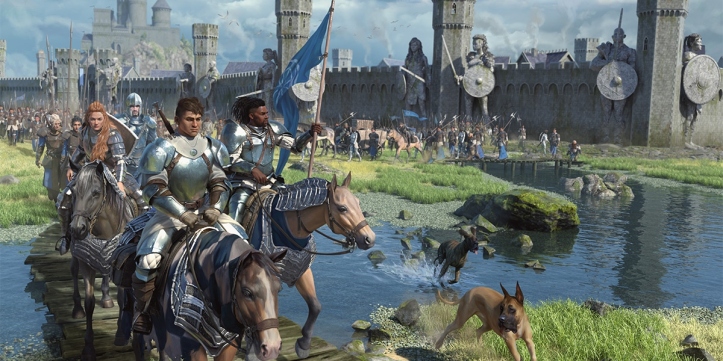
If you’re an avid actor or storyteller type of player in D&D, you might well write your backstory with significant intentions. There’s a good chance you’re picturing how its plot hooks might play out, how they’ll affect your character, and how it will all form a neat arc.
Stop it. Right now. Stop doing that.
D&D 5e is a heavily improvisational game. You don’t know what’s going to happen, the other players don’t know what’s going to happen, and even your DM doesn’t have a 100% idea (hopefully).
If you write your D&D character backstory with specific expectations in mind, you’re setting yourself up for disappointment. Much like an argument you imagine in your head, things aren’t going to go how you fantasise.
You can have broad ideas of the sort of thing you’d like to happen and the sort of story you’d like to explore, but don’t fantasise about specific scenes, character development, or reward.
For one thing, the improvisation is a significant part of D&D‘s fun. For another, what happens won’t match what you’ve built up in your head. If it’s something excellent that catches you off-guard, however, it just might be better.
These have been five tips for making the best character backstories in D&D 5e. There are plenty of other aspects to consider, but this is a good way to get started and avoid common pitfalls. If you’re still a couple of steps away from making a character, check out ‘Five Ways to Find a Dungeons & Dragons Group‘.
On the other hand, ‘Five Ways to Make D&D 5e Quests When Low on Ideas‘ can help if you’re on the other side of the table and struggling for inspiration.
As always, please do like this article and share it around if you’ve enjoyed it, and please do check out some other stuff. Thank you!
 Artificial Twenty