Dungeons & Dragons Fifth Edition has a significant social contract to it. The DM has to put in more work than anyone else at the table. As a result, it’s considered polite for players to reward that work where possible and go along with the DM’s prep.
Repeatedly refusing to bite plot hooks is a common new player problem in D&D 5e that most people grow out of before long.
However, the average DM for a D&D 5e group doesn’t just want their players to go on quests out of obligation. They want to make something that players jump at the chance to do, both to increase the excitement levels at the table and to nudge players toward the things they’ve prepared. ‘Enthusiastically’ beats ‘politely’ any day.
Whether you’re trying to coax out a difficult player, hoping to guide your group in a certain direction, or just want to increase your players’ enthusiasm at the table, there are lots of things a D&D 5e DM can do to motivate their party for a specific quest.
Dangle an Exciting Quest Reward in Front of Them
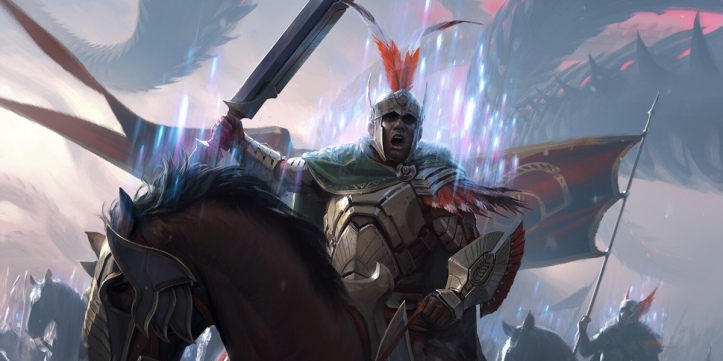
Let’s go for the easiest and most basic way a DM can motivate their D&D 5e party. Loot and treasure are an enormous part of the D&D 5e gameplay loop. At its most reductive, the game is a cycle of questing, getting rewards, and then using those rewards to go on bigger quests.
There’s a certain element of passive rewards in D&D 5e. Most sessions give experience points (or get the group closer to a milestone), and many locations have gold, potions, or other minor rewards laying around.
However, a unique, exciting reward or piece of treasure is a classic way to motivate a D&D party. The necromancer might not be a priority target until the party learn he has the Staff of Wailing Doom in his fortress. Then the party wizard will stop at nothing to defeat him
Some D&D 5e players are more loot-hungry than others, but it’s a fairly universal way to make them want to go on a quest. Even the most story-focused player in the world isn’t going to complain if they get a +2 greatsword that perfects their build.
You can tailor rewards to specific players to make them want to go on a specific D&D 5e quest. Alternatively, you can offer something that benefits the entire party.
Quest rewards in D&D 5e don’t just have to be gold or magic items either. They can include favours from powerful NPCs, property or some advancement in station for the party, or access to areas in your campaign setting they couldn’t reach before. The possibilities are endless, as are the things most D&D parties will do for the right piece of loot.
Tie in an NPC They Like
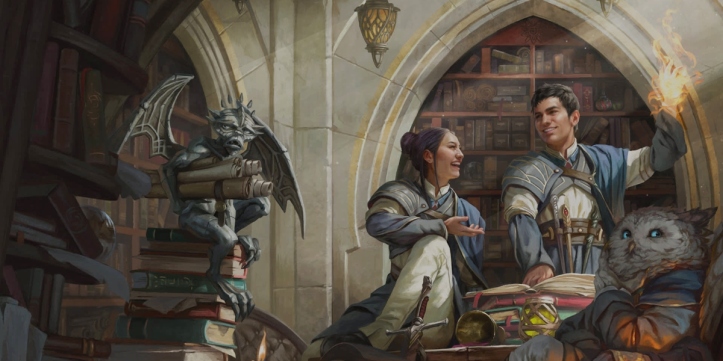
NPCs aren’t just something for the players to defeat or an excuse for the Dungeon Master to do a silly accent. They’re also figures with their own goals and genuine stakes in the world. It’s just that these exist to push things forward for the player characters.
Many D&D 5e PCs are less likely to bite a plot hook that has nothing to do with them. However, if you make it have something to do with one of their favourite NPCs, they’re suddenly interested. It’s just like helping friends in real life, except with more dragon-slaying.
For this D&D 5e adventuring motivation to have worked, you do need to have put the groundwork in ahead of time. If an NPC the party vaguely know and like starts asking them for help, they risk becoming a liability.
It can be hard to predict which NPCs the party find themselves drawn to. Sometimes, you put in hours of work for one they overlook, only for Random Bar Patron #5 to become a big hit. So it helps to give many NPCs innate plot hooks or vague backgrounds you can weaponise at a later point.
This particular party motivation in D&D 5e doesn’t have to be as straightforward as the NPC asking for help. They might act strangely. Another NPC might reveal something about their backstory the party can help with. For the most dramatic results, have the party’s beloved NPC go missing or end up in danger. If you’ve done it right, the party will fall over themselves to respond.
Use Meta Knowledge About Your Players
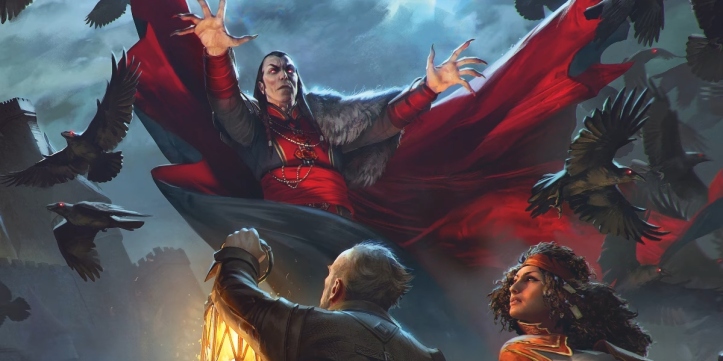
Metagaming to get an advantage or subvert the game is rightfully frowned on in D&D 5e. However, it’s far more acceptable to use the things you know about the other players at your table to bolster the story for everyone.
If you want to make your players particularly excited for a quest hook in D&D 5e, use things that you, the DM, know they like.
In one of my recent D&D 5e campaigns, the Dungeon Master hid valuable story content and major milestones in an out-of-the-way island full of vampires. Tis was because he knew I like vampires way too much and would find any excuse to go there.
This can apply to tropes, genres, other works of fiction, or even specific aspects of D&D 5e that you know your players like.
If you have a player who loves werewolves, give a werewolf-themed plot hook and watch them beam with delight. If they like horror, causally mention a haunted house and start a timer. If they’ve been watching Bridgerton, have an NPC throw a classy ball and have something interesting happen in it.
Every single player will have some weakness, fondness, or interest you can exploit to motivate them for a D&D 5e quest. Trains, demons, Cthulhu, animals, duels, food, and more. The list is endless.
Give Your D&D Players a Choice of Plot Hooks
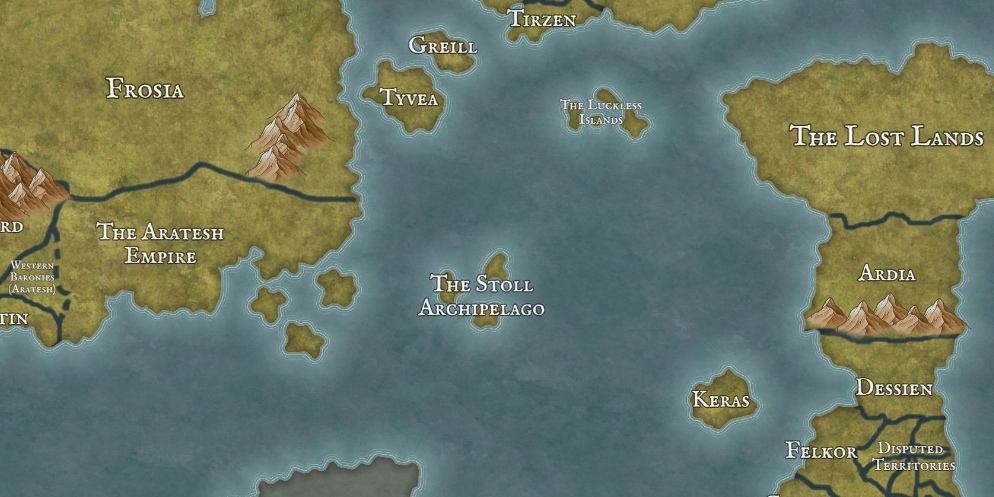
I’m very in favour of giving PCs as much choice as possible in D&D 5e. I’m a fairly reactive DM. Not quite to sandbox levels, but I want the players to be guiding the story every bit as much as me.
Even beyond that, letting your D&D 5e party choose which particular quests they want to go on is a fantastic way to increase their motivation. They’re literally telling you which of the options excites them more.
There’s also some behind-the-scenes psychology with cognitive dissonance that might increase the party’s fun if you give them a choice in D&D 5e, but that might be a bit beyond this post.
If players feel like there’s only one route to go through your campaign, there’s a good chance they’ll be less motivated to do anything other than what you put in front of them. If you give them several different plot hooks in D&D 5e, they’re free to go after what enthuses them the most.
I would advise being careful with this, however. For one, it does significantly increase the amount of DM prep you have to do (where possible, put major decision points at the end of a session so you know what they’re going to do next).
For another, too much choice in a D&D 5e campaign can actually have the opposite effect. If your players lack any guidance whatsoever, it often results in them just spinning their wheels and waiting for things to happen. Decision paralysis kills D&D.
There’s a line to walk beyond a railroad and a storyless sandbox. A large part of improving your D&D 5e DMing skills is figuring out where you and your party draw that line.
Tie it Into a Character’s Backstory
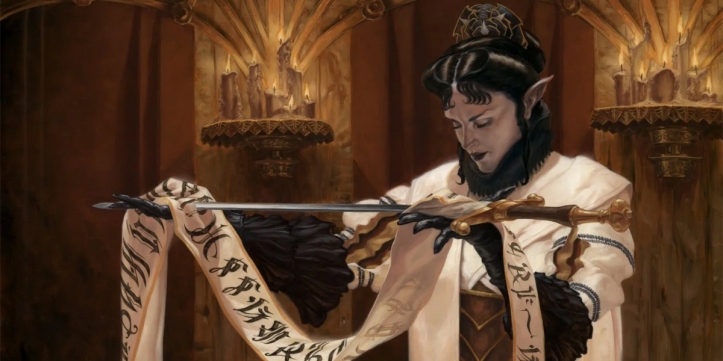
This is another easy way to motivate players to pick up on a D&D 5e quest hook. For the most part, players like their characters. They often enjoy the spotlight being shone on their character. Backstory is the easiest way to do this.
The best D&D 5e character backstories often include something the DM can turn into an adventure. Even if they’re not hyper-dramatic, they’ll typically include some NPCs at the very least.
If an adventure hook in D&D 5e ties into one character’s backstory, you’ve already got one player motivated to pursue it. In the average group where everyone likes each other’s characters, everyone else is likely to back them.
This also sidesteps some of the meta-issues with other possible motivating plot hooks. You know almost for sure that it won’t be the player who wants to pursue the quest, but their character as well. This way, there’s no risk of someone sacrificing the things they want to do for what makes sense for their character.
I’ve used this method of motivating D&D 5e players in most campaigns, and it’s only backfired a couple of times. In one, the character left the party to pursue it alone (it helps he wanted to make a different character). In another, the player thought dealing with the backstory would run counter to the general ‘moving on and healing’ thing their character had going on.
Either way, you can drop a backstory-related plot hook and then open communication with your player if they don’t bite. You might learn something that helps you better motivate them for the next D&D 5e adventure you cook up.
These have been five ways to motivate your players to check out your D&D 5e plot hooks, increase the enthusiasm at your table, and hopefully ease up your DMing prep time. If you’ve enjoyed this, please share it with your fellow DMs and check out more Artificial Twenty content!
If you’re looking for something new to DM, check out my review for the Vecna: Eve of Ruin D&D 5e campaign.
If you’re having trouble getting yourself to an adventure, let alone your PCs, try ‘Five Ways to Make D&D 5e Quests When Low on Ideas‘ instead.
 Artificial Twenty