Magic items are the iconic reward for adventuring in Dungeons & Dragons Fifth Edition. Gold and jewels are fun to collect and spend, but they lack the allure of Excalibur (or countless other cooler magic swords like Arondight).
Most D&D 5e players are champing at the bit to get their hands on magic items, even from the start of the game. However, this puts the DM in an awkward position. They have to balance rewarding the players for their efforts and not unbalancing their game.
This is especially true with the D&D 5e magic item tips being a little underwhelming in their presentation. Even with supplementary books like Xanathar’s Guide to Everything, it’s very vibes-based. I don’t mind this, but it can pose a challenge.
Luckily, D&D 5e loot does genuinely include many interesting, fun, low-level magic items you can reward your players with. Common and Uncommon magic items aren’t boring or weak, they’re just not slicing the top off of mountains.
If your PCs have just left the starter village in your D&D campaign and are starving for magic items, you have options. Read on to see why these seven items are exciting and spice up the gameplay without derailing it.
A Moon-Touched Sword Keeps A Martial Relevant
Common Magic Item, Xanathar’s Guide to Everything pg. 138
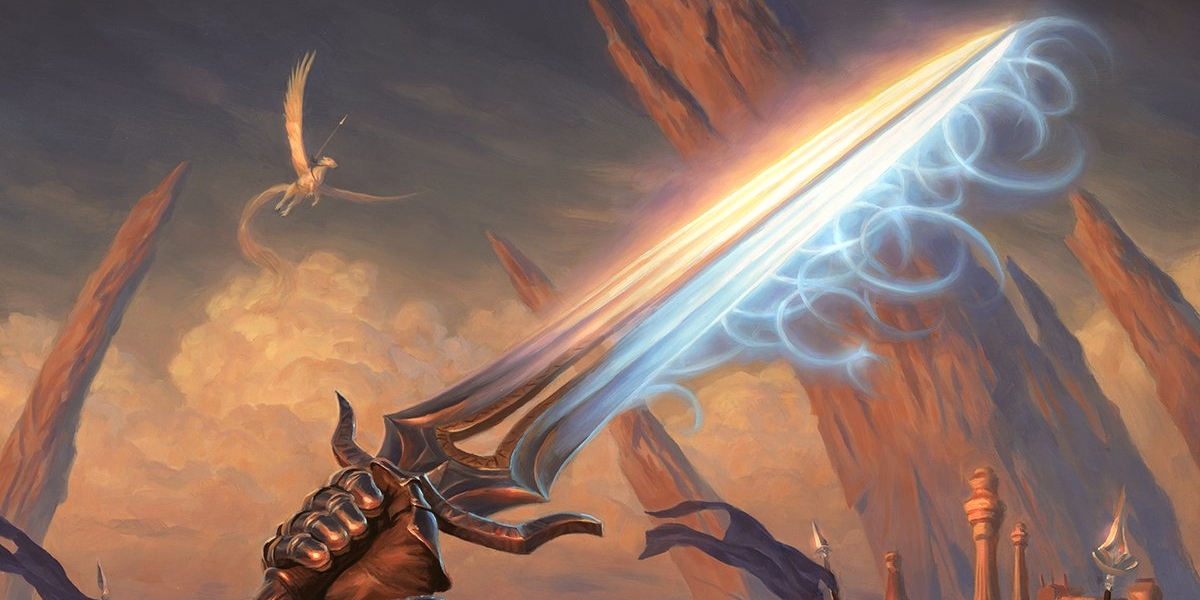
Even though the D&D 5e Dungeon Master’s Guide suggests magic items are optional, this doesn’t quite hold up to scrutiny. Past low CRs, most monsters are resistant or immune to non-magical Bludgeoning, Slashing, and Piercing damage.
Given damage is one of a martial’s main contributions, this is a problem. However, there’s no denying that D&D 5e magic weapons are powerful. Even a +1 to hit and damage ramps up lethality considerably, and they just get more ridiculous from there.
Enter the Moon-Touched Sword, a weapon that, with its minor magical effect, is effectively a +0 magic weapon. It still counts as magical for the purposes of dealing damage but has little else you need to worry about.
Despite this, it’s not an underwhelming piece of loot. Aside from keeping a martial competitive, this common magic item in D&D 5e can still have a sense of wonder and achievement. A magic sword, even a low-level one, carries a certain status. If this is an early piece of magic loot, most martials will be more than happy to switch.
If their D&D 5e character doesn’t typically wield swords (or wields a different type of sword), it can make for a fun decision point at low levels. They can use their primary weapon for most fights and switch to the Moon-Touched Sword when things get serious.
Just, please, do give them a magic weapon that suits their D&D 5e build before too long.
On top of that, some players will find a use for the fact the sword glows. Maybe you track lighting in dungeons more diligently than “I have Darkvision.” They might use it as a signal or a way to ward off a light-sensitive creature. A sword glowing isn’t a nothing effect, just a minor one.
Fun fact, I can’t do this any more at my main D&D 5e table. They’re so used to me handing out Moon-Touched Swords at low levels that I need to find something similar to use instead.
A Ring of Jumping Opens New Angles of Attack
Uncommon Magic Item, Dungeon Master’s Guide pg. 191

Few players covet a Ring of Jumping magic item in D&D 5e. Jump is not a widely in-demand spell, despite having its uses.
On top of that, some of the best D&D 5e magic items are those that unlock other, more interesting ways to move around. Flying, I’m talking about magic items that let you fly.
Still, those tend to come far later in the game. If you want to give players a mobility, utility, and problem-solving boon at low levels, a Ring of Jumping is the way to go.
The effect can sound underwhelming, even to the players. However, that will change the first time they bypass an obstacle or avoid danger by jumping 45 feet when you least expect it. Seriously, give players the means to do this and they will find ways to solve all sorts of problems just by leaping very far.
It can have combat uses for more mobility-challenged characters as well. Particularly if you use a battle map for D&D 5e combat, many more mundane classes will delight at being able to move in three dimensions, even if only by jumping.
Attunement can be quite a significant cost, but not in the early game. Before your players have more than three items they want to use at a time, they will be happy to attune to the Ring of Jumping. As their D&D 5e treasure gets more competitive, they’ll pass the ring between each other, forget about it, and then remember it ten sessions later to ruin your puzzle.
Trust me, it’s a more fun magic item than it sounds.
Dark Shard Amulet/Hat of Wizardry Gives Low-Level Utility
Common Magic Item, Xanathar’s Guide to Everything pg. 137
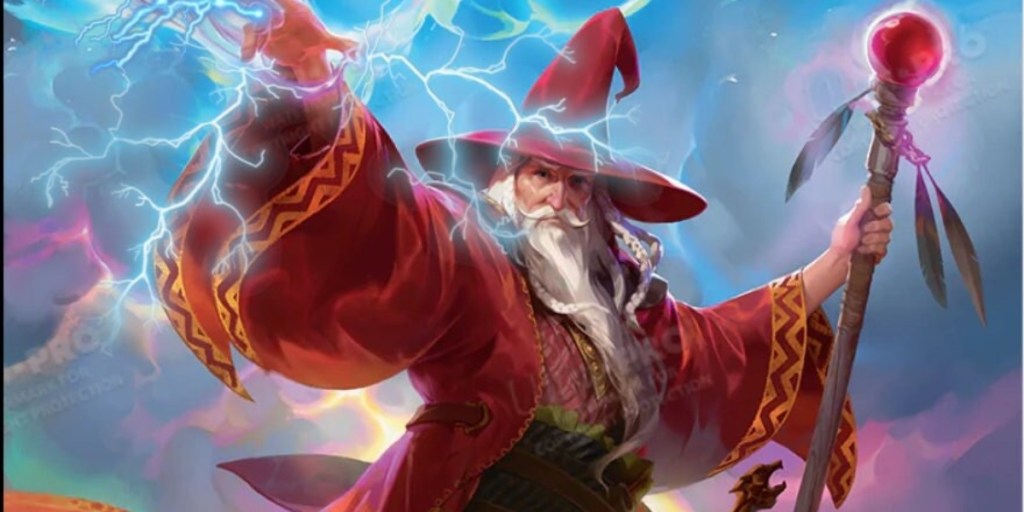
Yes, these are two magic items, but they’re basically identical. The only difference is that one requires a D&D 5e Warlock and the other requires a Wizard. Why they didn’t either make more of these for other classes or just let anyone use them, I’m not sure.
Fundamentally, everyone loves cantrips. At-will spells you can spam, some of which have surprising utility, open little doors in players’ minds that inevitably release dopamine.
However, everyone wants more of them.
At their base, the Dark Shard Amulet (for Warlocks) and the Hat of Wizardry (unsurprisingly for D&D 5e Wizards) magic items are spellcasting foci. If you want to blast Magic Missile at people from your pointy hat, you can.
However, their unique feature lets you cast one cantrip of your choice from the relevant spell list per day. It’s a free trial of cantrips you haven’t learned yet. This does require an Intelligence (Arcana) check, inexplicably privileging the Hat of Wizardry more.
This is such a good early game D&D 5e magic item because, 19 times out of 20, one free cantrip per day won’t rewrite the playbook. On the twentieth occasion, they’ll feel legendary for having saved a situation with the flexibility of this utility magic item.
It also has very slight combat benefits. If your party’s Wizard mostly flings Fire Bolts when they’re saving on spell slots, a Fire Elemental is bad news. With a Hat of Wizardry, they can blast them with something else and still feel pretty clever.
A Javelin of Lightning is a Once-Per-Day Super Move
Uncommon Magic Item, Dungeon Master’s Guide pg. 178
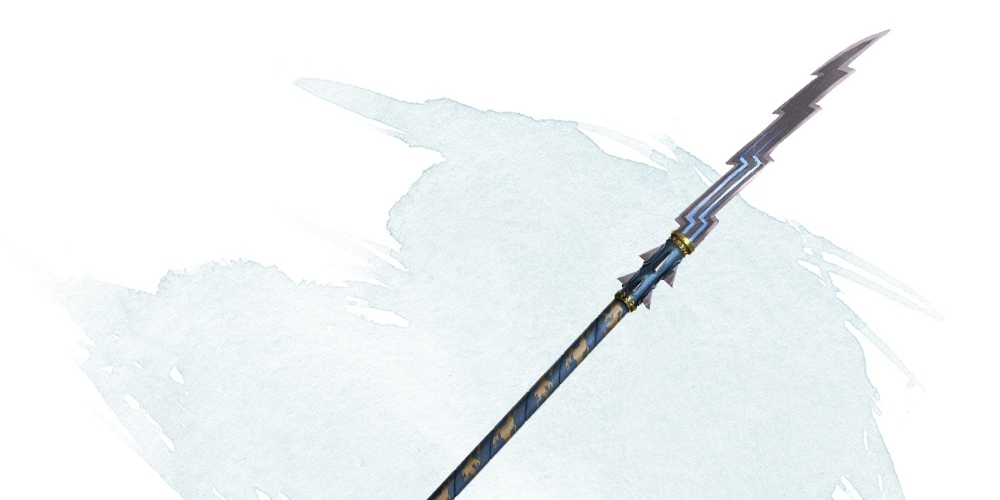
The Javelin of Lighting is a slightly more impressive magic weapon in D&D 5e. However, it’s not going to upend game balance at low levels.
Apart from anything else, it’s a single javelin, and very few D&D 5e character builds involve picking up the same weapon and throwing it at somebody over and over again. Never say never, though.
Instead, the Javelin of Lightning is such a good piece of loot because it lets a martial character do something outside of their typical wheelhouse once per day. They can throw it at a distant enemy, deal some high burst damage, and blast everything in its path.
Many D&D 5e martial classes struggle with effective ranged damage (Paladin and Barbarian) and especially with area-of-effect attacks (most of them). Enemies don’t get into lines as often as they clump up, but the chance to hit even two or three enemies with one attack can be a godsend.
In general, letting characters do something unusual once per day is roughly the level I like early game D&D 5e rewards to be on. Throwing the Javelin of Lightning will never become rote or repetitive. Even at higher levels, players will love the chance to chuck a bolt of thunder across the battlefield.
+1 Ammunition Gives Limited Combat Dominance
Uncommon Magic Item, Dungeon Master’s Guide pg. 150

Personally, I try and keep +1 magic weapons in D&D 5e away from low-level parties. They definitely have their place, but I prefer to explore other options that aren’t just making numbers bigger.
If it’s +1 Ammunition, however, I give it more leeway.
This is for the obvious reason. +1 Ammunition is limited. Every time a player decides to use it, they’re dwindling a pool of resources. This is what D&D is all about. It makes for fun decision points that you can be very hands-off with. Just leave it up to the player.
Maybe they’ll use their +1 Ammunition only when mundane shots won’t cut it. Maybe they’ll break them out for difficult boss fights. Some power-minded D&D 5e players might even save them until they get a magical bow/crossbow/gun and benefit from the stacking bonuses.
You give the player a limited taste of power early in a D&D 5e campaign with +1 Ammunition. Limited in the best way possible, because the player chooses how much they use or keep. They might destroy a boss quicker than you expected, but not have the shots to fall back on later.
Just be careful of players forgetting the ammunition exists. Often, it’s not reluctance to use D&D 5e consumable magic items, it’s actually players forgetting they’re in their toolbox. A gentle reminder here and there could be helpful.
Circlet of Blasting Goes from Trump Card to Fallback
Uncommon Magic Item, Dungeon Master’s Guide pg. 158
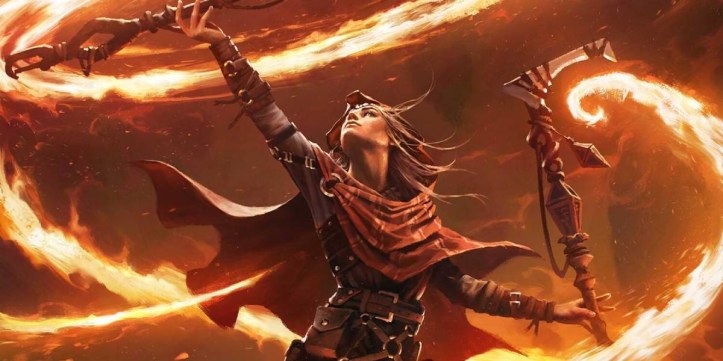
Early-game magic items don’t have to stay invaluable throughout the game. As the PCs grow and evolve, it’s okay for their loadout to shift. Some items that were once mainstays become less standout, or even totally obsolete.
This is what will happen to an early game Circlet of Blasting in D&D 5e. Early-game, a free second-level spell, especially a reliable combat one, is invaluable. Even with a mediocre attack bonus, players will use it plenty in dangerous or even boss encounters to hit hard.
This won’t last. Scorching Ray is good, particularly for no cost, but it’s very much an early-game standout D&D 5e spell. Later on, the Circlet of Blasting will become a fallback option. When the party need fire damage or go up against enemies with low AC, it will be a great situational tool.
Eventually, up to 6d6 damage with a +5 attack bonus will become totally obsolete. However, this doesn’t have to be a problem.
Fundamentally, the Circlet of Blasting is a good D&D 5e magic item for adventurers just starting out their career. The trade-off of low attack bonus for a low-resource way to deal high damage fills that ‘once per day superpower’ I mentioned earlier.
Plus, non-spellcasters can use it. It’s ideal for someone whose stats lean more toward melee (except Barbarians, due to spellcasting) or who lacks a way to deal elemental damage.
First or Second-Level Spell Scrolls Are One-Use Panic Buttons
Common or Uncommon Magic Item, Dungeon Master’s Guide pg. 200
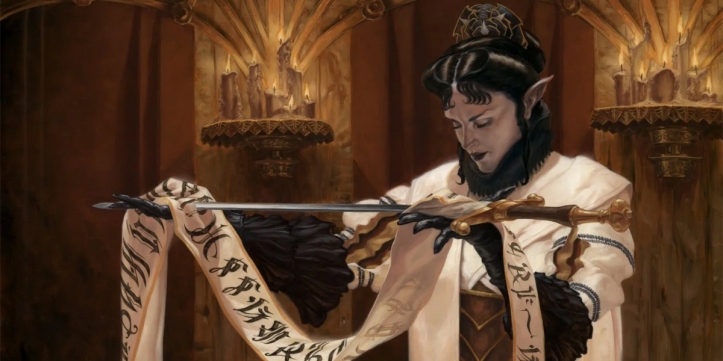
Spell scrolls go even further on being exciting but giving limited minute-to-minute power. They don’t provide something new once per day. Instead, they provide something new once ever. They’re a single-use version of a spell, which makes them perfect loot if you’re being power-shy.
To really keep things in check, only use first-level spell scrolls. However, honestly, this limitation makes second-level spells fairly safe.
My preferred way to use D&D 5e spell scrolls as rewards is to give underused and utility spells. Players might insist Skywrite is useless – or at least not worth its spell slot. Give them a scroll for it, however, and suddenly every plan will include a possible way to use it.
Comprehend Languages, Create or Destroy Water, Speak with Animals, Tenser’s Floating Disk, Alter Self, Arcane Lock, and Knock are a few low-level utility D&D 5e spells that make for great scrolls.
Your players will use them in ways that turn your hair grey.
Combat options are valid. Just be careful about the feels-bad potential if your player uses a D&D 5e spell scroll they’ve been saving for weeks, only for it to whiff.
This makes for even better early-game treasure in D&D 5e if you have a Wizard in the party. Any Wizard spell scrolls can instead be added into their spell book and prepared normally. Wizards are plenty powerful already, but this is a really fun feature. Let them use it.
These have been seven magic items in D&D 5e that will make your party feel powerful without actually requiring you to rebalance too much. Put them in chests of early dungeons, have them be treasured artifacts of small villages, or even put them in magic item shops on the outskirts of civilisation.
If you’ve enjoyed this article, please do leave it a like. Please also discuss your own favourite magic items for third-level parties in the comments.
For other loot that needs more love, check out this article on underrated DnD 5e magic items. Alternatively, for the other side of D&D character creation, try this article on rolling for stats.
 Artificial Twenty