Dungeons & Dragons Fifth Edition isn’t the most complicated roleplaying game in existence. It’s not even the most complicated version of D&D there’s ever been. However, that’s still a pretty low bar.
Especially considering how many newcomers to the entire tabletop roleplaying world come through D&D 5e, it’s unfortunate how dense the game can be. New players don’t just need to learn to play a new type of game, they also have to decrypt a lot of jargon, both official and fan-made.
When you understand these terms, D&D 5e is genuinely quite approachable and fun to get into. However, it can sound like you’re listening to another language.
Read on for definitions and explanations of D&D 5e game mechanics, rules terms, concepts, and more. I promise, this does all make sense.
General D&D 5e Terminology

Fairly broad D&D 5e terms that, while they may overlap with other categories, are fundamental to the game itself. Core concepts and some outliers that it helps to know.
Adventure: A single story told within a D&D 5e game, often revolving around a specific end goal or style of play.
Campaign: A series of D&D 5e adventures that are linked by the same characters and usually share an overarching story.
Creature: Any living being in the D&D world, including player characters, monsters, civilians, allies, and more.
Character: Also known as Player Character or PC. The fictional adventurer a D&D player controls. The make-believe person who swings swords or casts spells.
Character Creation: A rules process that guides players through creating their D&D character, often involving both dice rolls and choosing from lists of options.
Combat: A core part of many adventures and a large focus of D&D rules, where opposing sides try and kill or defeat one another.
d20: The twenty-sided die that determines success or failure for most in-game actions. d[Number] generally identifies dice by how many sides they have, such as d8, d6, or d10.
Dungeon: The location of a typical adventure. Does not have to be a literal cell or prison. Can include temples, crypts, castles, forests, and any enclosed or semi-open area that contains danger and reward.
Dungeon Master: Also known as DM. The game’s narrator and referee. They control every non-player character, arbitrate the rules, and decide the outcome of in-game actions. A player at the table, but with a very different job to others.
Edition: A specific version of the Dungeons & Dragons rules, typically identified by a number. The current version is Dungeons & Dragons Fifth Edition, or D&D 5e.
Encounter: Any situation where the characters have to risk dire consequences. Combat is common, but not the only type.
Magic Item: An artifact or piece of equipment that has an unusual effect.
Modifier: Sometimes known as bonus (when positive) or penalty (when negative). A number you add to a dice roll to reach a total.
NPC: Also known as non-player character. A being within the game rules, such as a guard or goblin, who is played by the DM instead of the players.
Object: Anything in the D&D world that isn’t a living creature.
One-Shot: A one-off adventure that isn’t expected to tie into a longer series of games. Ideally completed in a single session, but some go longer.
Party: The group of player characters who are going on adventures together. Sometimes used to refer to the group of players in the real world.
Pathfinder: A similar game to Dungeons & Dragons, with the rules available for free online.
Player: An individual playing Dungeons & Dragons. The one in the real world rolling dice and taking part in make-believe.
Roleplaying: Inhabiting your D&D character. It can involve acting, description, or simply making decisions based on their perspective.
RPG: Also known as roleplaying game. The type of game that D&D is, where you make a character and tell their story. Sometimes further described as a tabletop roleplaying game (TTRPG) to differentiate from similar video games.
Setting: The fictional world where a game of Dungeons & Dragons takes place. Some DMs use pre-created ones, others invent their own.
D&D 5e Game Mechanics
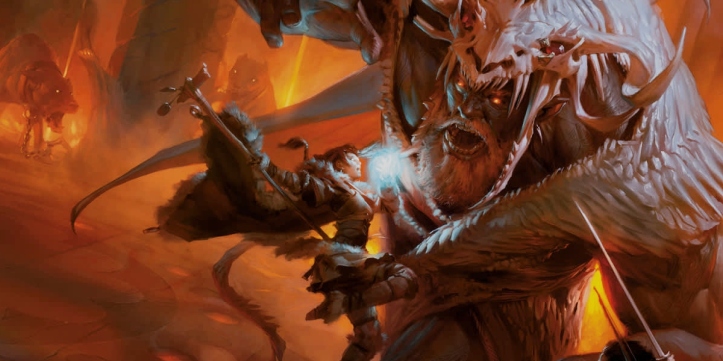
The rules of D&D 5e contain a lot of very specific terminology that is unfamiliar to new players or means something different than in the real world. However, it’s important to know these terms to play.
Ability Check: A d20 dice roll to determine if a character succeeds at a task based on their aptitudes and luck. The task in question can be anything. Common examples include scaling a sheer wall, sneaking past guards, or haggling with a shopkeeper.
Ability Score: One of six fundamental attributes that each character possesses and affects how well they do most tasks. The score itself typically ranges from 1 to 20, corresponding to a modifier ranging from -5 to +5.
Ability Score Improvement: A reward for levelling up that lets a character increase their ability scores to become better at tasks.
Action: The main thing a character does on their turn. Attacking with weapons or casting spells are the most common, but the possibilities are endless. Characters typically only get one action per turn.
Advantage: Instead of rolling one d20 and taking the result, you roll two and take the best. Often reflects favourable circumstances, exceptional effort, or innate abilities.s
Armor Class: Also known as AC. How hard a creature is to hit with attacks. It includes both the ability to dodge and the likelihood of armour and a shield to intercept a strike.
Attack: A specific harmful action aimed at another creature. It often involves weapons, but can also involve spells, bare fists, and more.
Attack Roll: A d20 roll, along with modifiers, to see if an attack hits. If the total is higher than the target’s Armor Class, the attack deals damage. If it’s lower, the attack misses. Similar to an ability check.
Background: A character’s history before the start of the campaign, chosen during character creation.
Bonus Action: An unusually quick option a character can take alongside an action on their turn. Characters may only take one bonus action per turn.
Class: The thing that defines a character’s abilities. Players choose from one of thirteen, each resulting in a radically different character.
Condition: An unusual, ongoing effect that affects a character’s actions (often negatively). Stunned, Paralyzed, and Poisoned are all examples.
Damage: Something that reduces a creature’s hit points. Successful attacks, damaging spells, traps and falling are common ways to take damage.
Damage Type: Almost all damage is one of thirteen D&D 5e damage types, such as Slashing, Fire, or Cold. Different creatures respond differently to certain damage types.
Death Saving Throw: A specific sort of d20 roll a character has to make while dying. Succeeding on three prevents a character from dying. Failing three results in death.
Difficulty Class: Also known as DC. A target number set by the DM to reflect how challenging a task is. Characters have to roll equal to or higher than the DC to succeed at something.
Disadvantage: Instead of rolling one d20 and taking the result, you roll two and take the worst. Typically reflects unfavourable circumstances or methods unlikely to work.
Experience Points: Also known as XP or EXP. Reward for overcoming obstacles and encounters. Getting enough of them leads to a level up.
Feat: Abilities characters can learn instead of taking an Ability Score Improvement.
Fighting Style: A group of abilities that reward characters for fighting with specific weapons or using specific tactics. Not available to every class.
Grappling: A specific type of attack that forgoes dealing damage in return for grabbing a creature and restricting their movement.
Healing: An effect that restores lost hit points and reverses damage. Can happen as a result of resting, potions, magic, innate abilities, and more.
Hit Dice: The specific sort of die a character rolls to gain more hit points or to heal on a short rest. For example, durable Fighters have a d10 while fragile Wizards have a d6.
Hit Points: A character’s ability to withstand damage. When a D&D 5e creature hits 0 hit points, they fall unconscious or die.
Immunity: Causes creatures to take 0 damage from a damage type, rather than the usual amount.
Initiative: A score that determines when a character takes their turn in relation to others during a round.
Inspiration: A resource for players that the DM allocates. Grants advantage on any d20 roll. May be rewarded for genius ideas, good roleplaying, or whatever else the DM decides.
Level: A number between 1 and 20 that reflects a character’s power and how far through their career they are. When you level up, you increase your level and become more powerful.
Multiclassing: A more advanced character creation tool. A character gains levels in a second D&D 5e class, along with its abilities. Can result in unique combinations, and include three four, or even more classes.
Movement: The ability to move through the environment every turn. By default, characters walk. However, abilities let creatures burrow, climb, swim, and even fly.
Passive Perception: A character’s awareness when they’re not specifically focusing on their environment. It equals 10 + the character’s Perception modifier. D&D 5e Passive Perception rules are not the only way to use skills without rolling, but they are the only one that routinely comes up.
Proficiency: A character’s learned or trained aptitudes. Proficiency either allows a character to add their Proficiency Bonus to their modifier (such as with Skills or Weapons), lets them do something without penalty (such as wearing armour) or decides whether a character can do something at all (such as speaking a language).
Proficiency Bonus: A number that characters add to their modifier when doing something they have Proficiency in. Typically ranges from +2 for a level 1 character to +6 for a 20th-level D&D 5e character.
Race: Also known as Lineage or Species. A character’s ancestry, reflecting certain unique biological skills they have access to. These range from faster movement speed to flight to fire breath.
Reaction: The chance for a character to act outside of their turn in combat. They include striking a fleeing enemy or casting a protective spell. Only happen in specific circumstances.
Resistance: An ability that causes a creature to take half the damage they should from a specific damage type.
Rest: A chance for characters to pause and regain their stamina. Short Rests (usually one hour) regain hit points by spending Hit Dice, and recharge certain abilities. Long Rests (usually overnight) regain everything.
Round: A six-second period where every creature involved in an encounter gets to take a turn.
Saving Throw: An involuntary d20 roll a character makes to avoid an effect. May lead to reduced damage or not suffering from a condition.
Sidekick: Sidekicks in D&D 5e are simplified player characters under the DM’s control, used to pad out a small party.
Skill: A (usually) non-combat area of training that characters use in ability checks. Athletics, Stealth, and History are all examples of skills.
Spellcasting: A mechanic that lets a creature cast magic. D&D 5e spells take up a significant section of several rulebooks.
Spell Save DC: A calculation that determines how hard it is to resist a creature’s spells. It’s usually 8 + Proficiency Bonus + an ability score modifier, but this can change.
Subclass: A skillset and archetype that distinguishes characters within the same class. All characters choose one between first and third level.
Surprise: A Condition that affects creatures who are not expecting combat. They roll Initiative, but they may not act on their first turn.
Turn: A character’s chance to act within a Round. Includes movement, an action, and a bonus action; and refreshes their Reaction.
Tools: Focused equipment or skill proficiencies that are more situational. Covers things from Woodcarver’s Tools to the Flute to being able to play Chess.
Vulnerability: A weakness that causes a creature to take twice as much damage from a specific damage type.
Weapons: The implements characters use for most attacks against other creatures. Includes clubs, longbows, swords, and stranger options.
D&D 5e Ability Scores

As mentioned above, ability scores in D&D 5e are six fundamental attributes that dictate what a character is innately good at. They each have different effects within the game. Each also corresponds to a saving throw, while some affect spellcasting.
Strength: A character’s muscle mass, brute force, and physicality. Used in most weapon attacks and for the Athletics skill.
Dexterity: A character’s agility, and reaction time. Affects Initiative, many skills reliant on finesse, and the use of certain weapons.
Constitution: A character’s ability to withstand physical hardship. Increases Hit Points and the ability to resist things like poison.
Intelligence: A character’s knowledge and mental acuity. Affects mental skills like History, as well as Wizard and Artificer spellcasting.
Wisdom: A character’s awareness, empathy, and understanding. Boosts skills like Perception and Insight, while also improving Cleric, Druid, and Ranger spellcasting.
Charisma: A character’s force of personality and magnetism. Bolsters social skills like Persuasion and Deception, and affects Sorcerer, Paladin, Warlock, and Bard spellcasting.
D&D 5e Class Descriptions
A character’s class in Dungeons & Dragons is the single most important choice a player makes during character creation. Each occupies a different niche and represents a different fantasy archetype.
Artificer: A magical craftsman or mystical engineer who builds items to defeat enemies and empower their allies.
Barbarian: A head-on warrior and physical powerhouse. Specialises in inflicting and taking damage, while finding brute force solutions outside of combat.
Bard: An artist who imbues their work with the magic of creation. Musicians are the most iconic, but they can include orators, dancers, mages, and more.
Cleric: A devotee of a deity who uses divine spellcasting as their primary tool to overcome problems. Healers, guardians, and holy spellcasters.
Druid: Nature spellcasters who draw power from the wild. Famously turn into animals while also having powerful magic to draw on.
Fighter: Fighting men and women (and others) who exemplify martial prowess above all. Can be anything from swordsmen to bodyguards to archers.
Monk: A monastic warrior who fights best with bare fists or simple weaponry. Noted for supernatural combat prowess and bodily control.
Ranger: A woodsman who blends weaponry with limited nature magic. Can either be self-sufficient or draw on a range of unique allies.
Rogue: A pragmatic combatant and out-of-combat specialist. They can be criminals, but can just as easily be spies, scholars, and scouts.
Sorcerer: Innate magic users who cast spells as easily as they breathe. They focus on one area of magic and become unstoppable in it.
Paladin: Oath-bound warriors who supplement their martial might with divine spellcasting. Are as good at supporting allies as they are at slaying foes.
Warlock: Magical tricksters who draw their power from an external source. Use a unique magic system that trades flexibility for power.
Wizard: Scholars who devote their time to mastering the magical arts. Are unparalleled in their spellcasting versatility and flexibility
D&D 5e Settings
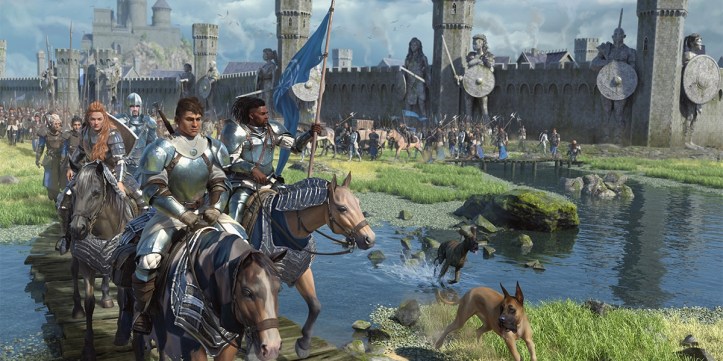
There are several official D&D 5e settings where campaigns may take place. There is much more to learn than a brief elevator pitch, but this can help you have a vague idea.
Dragonlance: An epic world of good and evil, where complex and grand morality tales are commonplace. Noted for its extensive fictional history and the amount of media set in it.
Eberron: A world of ‘wide magic’ often likened to Steampunk settings. Low-level magic is commonplace, yet this fantasy world can still remind people of ours after World War I.
Forgotten Realms: D&D‘s ‘default’ world. The setting of Baldur’s Gate 3, also known as Toril. A world of classic heroic fantasy, where high society clashes with low threats.
Greyhawk: One of the original D&D settings. A slightly seedy and gritty take on swords-and-sorcery fantasy, where many people have an unsavoury side.
Planescape: The fabric binding other D&D worlds together. Planescape focuses on the planes of existence around other worlds, where divine angels, scheming devils, and rampaging demons clash.
Ravenloft: The realm of terror. A gothic prison world where the multiverse’s greatest evils are trapped – and too many innocents are trapped with them.
Spelljammer: A pulpy science-fantasy setting. Explore space from the deck of a sailing ship and see just how strange it gets when classic fantasy races do the same.
Iconic D&D Monsters

Nobody expects a D&D player, be they new or experienced, to memorise the entire Monster Manual. However, there are some beloved D&D 5e creatures and monsters who it helps to know the name of.
Beholders: Floating eyes with a mouth surrounded by yet more eyes on stalks. Capable of shutting down magic and blasting rays from their other eyes. Oh, and they hate everything that isn’t a perfect copy of them.
Dragon: An iconic monster even outside of D&D 5e, but with some subtle differences. Notably, D&D dragons are split into many different types, each with its own colour and personality type.
Lich: A spellcaster who has chosen to live beyond death at the expense of others. Typically a skeleton looking to devour the souls of others.
Mimic: An amorphous blob that can look like almost anything it sets its mind to. It’s probably that treasure chest you’re reaching into.
Mind Flayer: A tentacled, psychic humanoid that believes itself to be the pinnacle of evolution. Bound into a hive mind that answers to the will of an Elder Brain.
Owlbear: An indigenous piece of wildlife to many D&D settings that combines aspects of an owl and bear into a killing machine.
Tarrasque: An apocalyptic, city-destroying, reptillian being governed solely by hunger. Its awakening means terrible things for the local or national area.
Acronyms and Fan Terms
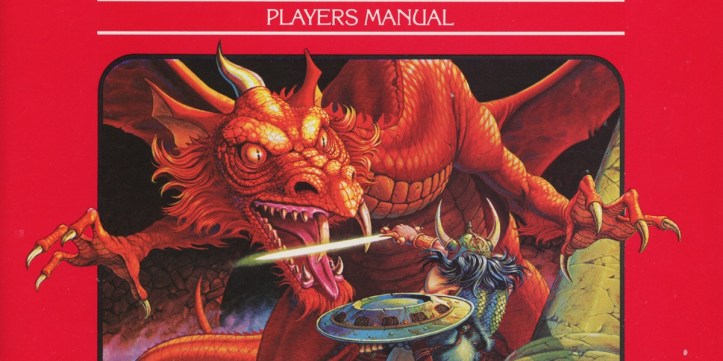
It’s not just the D&D 5e rules that dump jargon on you. The game’s very devoted fanbase also has its own shorthand, acronyms, and terms they prefer to use when discussing. If you’re talking to a hardcore fan or reading online discussion, it helps to know these.
5e: An easy way of saying Dungeons & Dragons Fifth Edition, often used as a brief way to discuss this current version.
5.5: One of many ways to refer to the Dungeons & Dragons Player’s Handbook 2024, a rules update. Also known as D&D 2024 or OneD&D.
AL: Short for ‘Adventurer’s League’, the public and beginner-friendly D&D campaign many game shops take part in.
BBEG: ‘Big Bad Evil Guy’, the biggest and most dangerous villain in a D&D campaign.
Buff: A spell or ability in D&D 5e that makes allies (or yourself) more powerful for a limited duration.
CR: Short for ‘Challenge Rating’, a stat that gives the DM a rough idea of how dangerous any given D&D 5e monster will be.
Crowd Control: Any spell that disrupts enemies or makes it harder for them to attack the party. Spells that inflict Conditions are one form of crowd control, but so are spells that move enemies around or reshape the battlefield.
DMG: Dungeon Master’s Guide, the book that guides DMs through running their own campaign.
FLGS: Stands for ‘Friendly Local Game Store’, a local shop that sells D&D products and often has space for hosting games.
Gish: A type of D&D 5e character that can wield weapons and cast spells with equal skill. Not a specific class.
GP: Gold Pieces, the main currency you use in the game.
‘How Do You Want To Do This?’: A question asked when a player reduces an enemy’s hit points to 0. Invites them to describe an epic killing blow. Popularised by Matthew Mercer of Critical Role.
IC: ‘In-Character’, referring to actions or beliefs that are taken or held by a player’s character. They don’t necessarily reflect anything out of game.
LFG: ‘Looking For Group’ or ‘Looking For Game’. People or communities who are looking to join D&D groups. Often open to new players.
Metagaming: Using knowledge that the player has but the character doesn’t. Usually looked down upon when used to gain an advantage in-game.
MAD: Stands for ‘Multiple Ability Dependency’. Describes D&D 5e character builds that have to increase multiple ability scores and so can’t boost all of them as high as they’d like.
MM: Monster Manual, the book for DMs that includes statblocks for enemies and other NPCs.
OA/AoO: Referring to an Opportunity Attack (or ‘Attack of Opportunity’). This is a reaction a creature can take to strike a fleeing opponent.
OoC: ‘Out-of-Character’. Usually refers to someone stating something and making it clear that it isn’t tied to their D&D character, such as expressing love for a villain or discomfort with a situation. Can also be used to suggest a character is acting out of line with their typical characterisation.
PHB: Player’s Handbook, the manual that contains the basic rules for D&D 5e.
RAI: ‘Rules as Intended’ describes the rules as clarified by the designers outside of the actual rulebook, or how the person talking imagines the intent behind them. Typically used to contrast with Rules as Written.
RAW: ‘Rules as Written’, the D&D 5e rules as they appear in the Player’s Handbook and other sources. Typically used when the exact text is illogical or not intuitive.
SAD: A ‘Single Ability Dependent’ character finds ways to key most of its abilities off of a single ability score, such as spellcasting and making weapon attacks with the same stat.
Support: A character build that mostly devotes itself to buffing and healing allies.
Tank: A character build in D&D 5e revolving around resilience and the ability to protect allies from harm.
TCoE/TCE: Tasha’s Cauldron of Everything, the second major expansion book for D&D 5e.
That Guy: A player who is selfish, uncommunicative, or outright rude. Anyone who makes the table appreciably worse to sit at.
TPK: ‘Total Party Kill’, where every PC in the party is defeated in the same encounter.
WotC: Wizards of the Coast, the company who make D&D 5e (owned by Hasbro).
XGtE/XGE: Xanathar’s Guide to Everything, the first major D&D 5e expansion book.
 Artificial Twenty